

Linen and hemp are both sustainable plant fibers that create gorgeous fabric for knitted garments. But knitting with them might feel like wrestling a small child; your stitches will squirm off the needles and this kind of yarn will NOT forgive you for anything. Slight inconsistency in your tension? Plant fiber will not only let you know – it’ll tell your friends and family, too. There will be no secrets between you.
But what these plant fibers lack in forgiveness and cooperation on the needles, they more than make up for in drape, versatility and longevity. And did I mention you can wear these plant-based garments all the livelong year, even when it’s hot?
When I first tried knitting with linen I couldn’t get past the way it felt in my fingers; it reminded me of jute. And to be honest, it wasn’t love at first knit. I plugged away at the project, though, because I paid good money for that yarn, and when it was finally finished – boom. It was glorious. Suddenly the weeks of wrestling with the yarn paid off; I had a lightweight, breathable, stylish and classic top that I could wear on the warmest summer day.
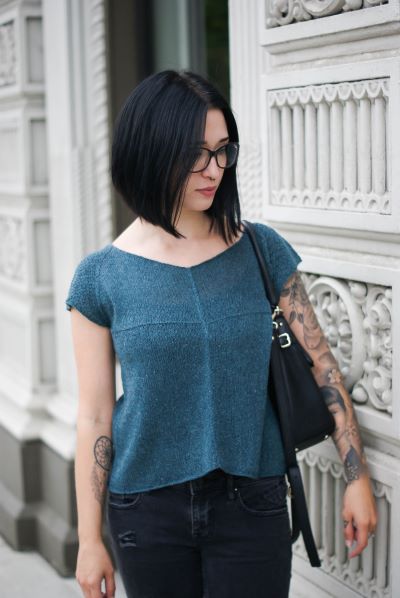
The first step to making peace with plant fiber is not to expect it to be wool. Obvious, right? But if your hands are used to wool, cashmere or alpaca, then your first moments with hemp or linen will all be about those comparisons. You’ve got to tell your hands to expect something different. Then, once you’ve told your hands what to expect, you’ll have to have a talk with your needles.
My go-to knitting needles are sharp, slippery metal ones like these from Chiagoo but these might not be the easiest ones for knitting with plant-based yarn; in fact, the yarn will practically jump OFF these needles if you look at a stitch sideways. I’m stubborn and I’ve learned to make it work, but if you’re not up for a rodeo on your knitting needles, you might prefer wood (or bamboo) or Karbonz. If you’re struggling with plant fiber, switching needles can add just enough drag to help a knitter out.
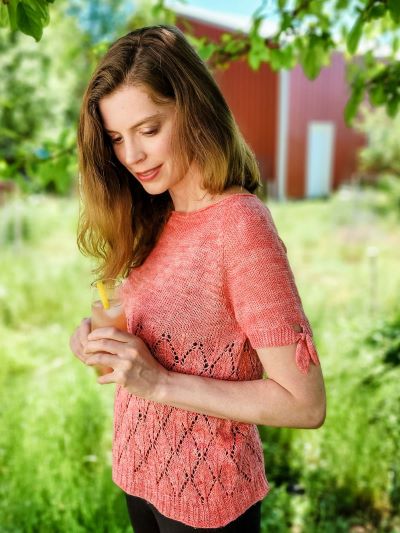
One of the perks of both hemp and linen are that they soften with washing and use; but you have to wait until you’ve washed and used your garment to see those benefits. Some knitters will carefully soak their yarn with a softening fiber wash (like this one) then let it hang to dry before working with it. This extra step can improve the feel of the fiber by giving it a bit of bloom, but the extra steps can be a bit fiddly and time-consuming. If you’re impatient (like I am), then it might not be worth the hassle.
The best and easiest way to get comfortable working with hemp or linen yarn is to do it in small doses; there are some incredible yarn blends that partner these fibers with other, softer, types of fiber to make them easier to work with. You get the benefits of sustainable, breathable plant-based fibers without the steep learning curve.
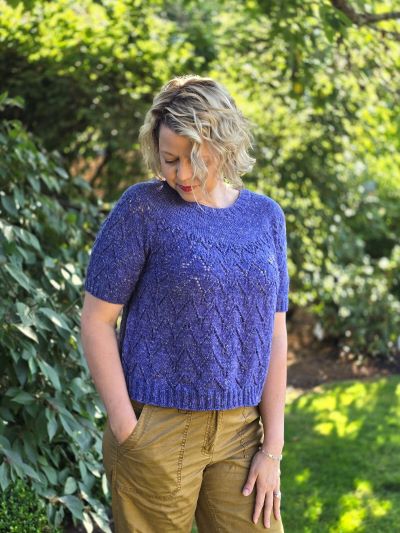
Here are a few other linen and hemp blend yarns I love:
- Schoppel ALB Lino (85% Lambsool, 15% Linen)
- Little Fox Willow Sport (70% Organic Merino, 30% Hemp)
- Sew Happy Jane Silky Linen Sport (50% Superfine Shaniko Merino Wool, 25% Linen, 25% Silk)
- Amano Chaski (60% Superwash Merino Wool, 30% Pima Cotton, 10% Linen)
- Juniper Moon Farm Zooey (60% Cotton, 40% Linen)
- Purl Soho Linen Quill (50% Fine Highland Wool, 35% Alpaca, 15% Linen)
- Malabrigo Susurro (50% Mulberry Silk, 25% Linen, 25% Merino Wool)*
- HiKoo Twisp (70% Pima Cotton, 20% Bamboo Viscose, 10% Hemp)
- Knit Picks Voliere (40% Linen, 30% Mulberry Silk, 30% Baby Alpaca)*
- Knit Picks Lindy Chain (70% Linen, 30% Pima Cotton)*
If you’re ready to jump right into the deep end:
Euroflax Linen Sport (100% Wet-Spun Linen)
Lanaknits Allhemp (100% hemp)
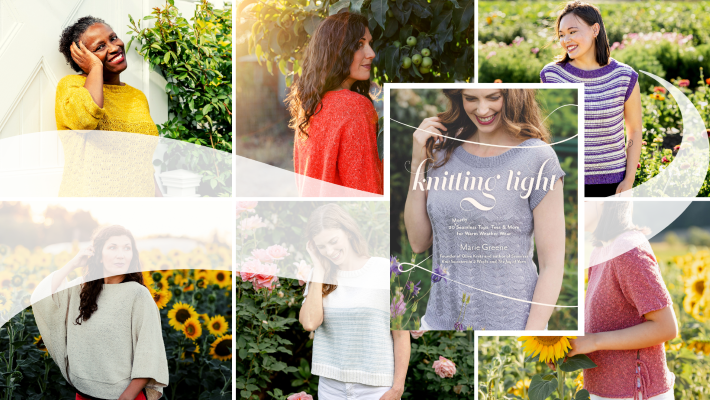
Any hoops you have to jump through to work with linen and hemp yarns will be worth it when you see how wearable your projects are. In fact, my own journey was such a success that I wrote a whole book dedicated to adding more plant fiber to your knitting repertoire. Check out Knitting Light here or wherever books are sold.
Ready to cast on?
*Affiliate link


